
A Complete Guide to Rechroming Mercedes Trim and Bumpers
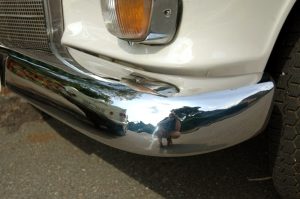
For owners and restorers of classic Mercedes models, few things elevate a vehicle’s appearance like flawless chrome. From the sweeping bumper lines of the 280SL to the delicate trim of the 190SL and the iconic brightwork of the 280SE 3.5, Mercedes chrome is a defining part of each model’s elegance and identity. Over time, however, exposure to sun, moisture, and road debris causes pitting, dullness, peeling, and corrosion. That’s when many enthusiasts start looking into rechroming Mercedes trim as a way to restore the original brilliance these cars were known for.
This complete guide will walk you through the entire rechroming process, what to expect, how to evaluate shops, signs that parts need restoration, cost factors, and tips to ensure your newly restored chrome lasts for decades.
Why Chrome Restoration Matters for Classic Mercedes Cars
Mercedes-Benz engineered its chrome parts to a higher standard than many other manufacturers of the era. Original bumpers, moldings, and trim were crafted to be durable, lustrous, and perfectly matched to the car’s design. But even the most resilient chrome can only withstahttps://forums.mercedesclub.org.uk/index.php?threads/brightwork.113140/nd so many years of weather exposure.
Restoring chrome is not just about aesthetics – it is also about preserving authenticity and value. Collectors often judge originality based on how well the chrome matches factory specifications. High-quality rechroming Mercedes trim ensures:
A visually accurate restoration
Increased vehicle value
Improved resistance to corrosion
A consistent finish across all brightwork
Whether you’re restoring a 280SL Pagoda, a 190SL roadster, a W111 coupe, or even early 1970s Mercedes sedans, chrome quality can make or break the finished result.
When Is Rechroming Necessary?
Before committing to rechroming, inspect your parts for signs of wear or damage. Classic Mercedes chrome tends to degrade in predictable ways depending on age, climate, and storage conditions.
Common Indicators You Need Rechroming
Pitting or tiny pinholes on the surface
Rust forming underneath the chrome layers
Peeling or flaking
Dullness that cannot be polished back to shine
Deep scratches or dents
Discoloration or cloudy sections
Uneven shine due to decades of oxidation
Once chrome begins peeling or pitting significantly, it cannot be restored with simple polishing. At that point, rechroming is the only long-term solution.
Understanding the Rechroming Process
Rechroming Mercedes trim is a specialized, multi-step process that requires experience and the right equipment. A high-quality shop will follow a series of meticulous stages to ensure the final product matches the original Mercedes finish.
Here’s what happens behind the scenes:
1. Inspection and Assessment
The shop begins by inspecting the part for rust, dents, warping, and hidden damage. Bumpers especially can hide dents under the surface.
2. Stripping the Old Chrome
Old chrome plating must be chemically stripped down to the base metal. This step removes:
Chrome
Nickel layers
Copper layers
This leaves the raw steel, brass, or aluminum exposed.
3. Repair and Metalwork
After stripping, technicians repair dents, bends, and defects. For Mercedes bumpers, this stage is critical because:
Pagoda bumpers often warp over time
190SL bumper guards frequently dent
W111 and W108 bumpers may rust from the inside out
Good metalwork determines how flawless the final chrome will look.
4. Copper Layer Application
Copper acts as a filler to smooth out imperfections. Multiple coats are often applied. The part is then polished until the surface is mirror-smooth.
5. Nickel Plating
Nickel provides strength and corrosion resistance. This step determines much of the durability and shine. High-end restorations use:
Semi-bright nickel
Bright nickel
Micro-porous layers
This creates depth and longevity.
6. Chrome Application
Finally, a thin layer of decorative chrome is applied for color and reflectivity. Unlike nickel, chrome is not thick — its job is aesthetic. The combination of copper, nickel, and chrome ensures a deep, rich shine consistent with original Mercedes finishes.
7. Polishing and Final Quality Inspection
The part is polished to brilliance and inspected for consistency, smoothness, and clarity. High-quality shops will repeat plating steps if imperfections are found.
Why Mercedes Chrome Requires Special Care
Not all chrome work is the same. Mercedes chrome from the 1950s through the 1970s is known for its quality, and replicating that factory appearance takes expertise. Factors that make rechroming Mercedes trim unique include:
Complex Multi-Piece Assemblies
Some Mercedes models use multi-component bumpers, especially:
190SL
W111 Coupe and Cabriolet
W108/W109 S-Class
These must be aligned perfectly after plating.
German Steel Composition
Mercedes used high-grade steel that requires careful prepping to avoid warping or overheating during polishing.
Authenticity Standards
Collectors expect the chrome color to match original German specifications. Cheap chrome can look:
Too blue
Too bright
Too thin
Too plastic-like
A quality restoration preserves the deep, rich tone Mercedes chrome was known for.
Choosing the Right Shop for Rechroming
Selecting the wrong shop can lead to peeling chrome, discoloration, or even damaged parts. Here are essential things to look for:
1. Experience with Vintage Mercedes Chrome
Ask if they’ve worked on:
W113 Pagoda trim
W111 bumpers
190SL brightwork
W108/W109 S-Class chrome
A shop that regularly handles European classic vehicles is ideal.
2. Copper-Nickel-Chrome Triple Plating
Many low-cost shops skip copper plating, leading to:
Poor adhesion
Visible pits
Short lifespan
Always insist on triple plating.
3. Metal Repair Capabilities
The shop should be able to handle:
Dent removal
Welding
Straightening
Rust repair
Chrome only looks good if the underlying metal is perfect.
4. Warranty
A good shop will offer a multi-year warranty for adhesion and finish.
5. Photo Examples of Past Work
Inspect pre- and post-restoration photos for:
Smoothness
Consistency
Color tone
6. Turnaround Time
Expect:
Small trim pieces: 4–6 weeks
Full bumper sets: 8–12 weeks
High-quality work takes time.
Cost of Rechroming Mercedes Trim and Bumpers
Prices vary depending on model, condition, and geographic location. Below are general estimates for classic Mercedes parts:
Typical Price Ranges
Small trim pieces (mirrors, badges, handles): $75–$200 each
Bumper guards: $150–$300 each
Pagoda 280SL bumper sections: $300–$700 each
Full 190SL bumper sets: $1,200–$2,500
W111 coupe/convertible bumpers: $1,500–$3,500
Factors that increase cost:
Heavy pitting
Deep rust
Missing metal
Multi-piece assemblies
Hard-to-reach contours
Cheaper is almost never better with chrome. Inexpensive shops may:
Skip copper plating
Deliver thin chrome
Cause peeling within a year
A high-quality restoration should last decades.
Tips for Preparing Your Parts Before Rechroming
You can avoid unnecessary delays or costs by preparing your parts properly.
Do This Before Dropping Parts Off:
Remove all rubber seals
Remove mounting hardware
Label left/right components
Photograph assemblies
Clean off grease and dirt
Avoid Doing This:
Attempting to sand the chrome yourself
Using harsh solvents
Bending or straightening parts
Grinding rust
Leave restoration work to professional Mercedes restoration specialists.
How to Protect Your Newly Rechromed Trim
Once you’ve invested time and money into rechroming Mercedes trim, the next step is preserving the finish for long-term enjoyment. Fortunately, chrome is relatively easy to maintain if you follow proper care habits.
Best Practices for Chrome Preservation
Wash regularly to remove road salts
Polish gently with non-abrasive chrome polish
Apply a high-quality wax or sealant
Avoid parking near sprinklers
Store the car in a climate-controlled garage if possible
What to Avoid
Abrasive steel wool
Harsh chemicals
Acidic wheel cleaners
Constant exposure to coastal humidity
Regular cleaning is the best way to prevent corrosion and oxidation.
Should You Rechrome or Replace?
Some parts are better replaced than rechromed, especially if reproductions or NOS versions are available. However, for many classic Mercedes models, original parts were built with higher-quality metal than modern reproductions.
When to Replace Instead of Rechrome
Severe rust-through
Missing structural metal
Poor-quality previous repairs
Reproductions with solid fitment available
When to Rechrome Instead of Replace
Parts with perfect factory fit
Rare trim pieces
Multi-piece bumpers
High-value collectible models
When originality matters for investment value
For Mercedes models like the 190SL or W111 coupe, original chrome pieces are often far superior to modern alternatives, making rechroming the preferred choice.
Final Thoughts
Rechroming Mercedes trim is one of the most impactful and worthwhile steps in a full or partial restoration. Whether you’re bringing a Pagoda back to life, freshening a 190SL’s appearance, or preserving the elegance of a W111 or W108, high-quality chrome restoration returns your Mercedes to the level of luxury it was born with.
By understanding the rechroming process, selecting the right shop, and properly caring for your newly plated parts, you ensure that your classic Mercedes continues to shine for decades. Chrome is more than a cosmetic feature — it’s a defining detail of Mercedes-Benz craftsmanship and heritage.