
Influence of 1960s Fashion on Mercedes 280SL Design
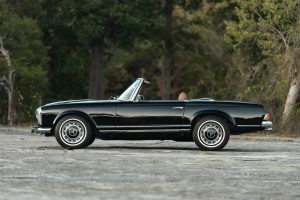
The 1960s were a decade of bold expression, cultural shifts, and an explosion of creativity across the worlds of art, music, fashion, and design. This period of reinvention and optimism influenced everything from clothing styles to automobiles, including the iconic Mercedes 280SL. Known as the “Pagoda” for its unique concave hardtop roof, the car captured the spirit of the era by blending elegance, innovation, and functionality in ways that mirrored contemporary fashion. To fully appreciate the Mercedes 280SL Design, one must examine how 1960s fashion trends shaped its visual identity, materials, and cultural presence.
Setting the Stage: The 1960s as a Design Revolution
The postwar decades gave rise to prosperity and a newfound appetite for luxury and individuality. By the 1960s, the fashion world had transitioned from conservative silhouettes of the 1950s to bolder, more dynamic expressions. Designers like Mary Quant popularized the miniskirt, while André Courrèges introduced futuristic “space age” fashion with metallics and geometric shapes. Youth culture, especially in cities like London and Paris, dictated trends that transcended clothing and spilled into industrial and automotive design.
Automakers, including Mercedes-Benz, were quick to absorb these cultural influences. When the Mercedes 280SL debuted in 1967 as part of the W113 series, it reflected the same modern, streamlined elegance that was dominating the fashion world.
The Connection Between Fashion and Car Design
Fashion and automobiles share a common goal: both express cultural identity and personal taste. Just as a miniskirt or tailored suit projected modernity and sophistication in the 1960s, a stylish sports car became a rolling statement piece. The design influence of the Mercedes 280SL mirrored fashion in several ways:
Simplicity and Modern Lines: Much like the shift toward clean silhouettes in fashion, the 280SL emphasized smooth contours and minimal ornamentation.
Use of Innovative Materials: Just as designers experimented with plastics, vinyl, and metallic fabrics, Mercedes incorporated lightweight materials and chrome accents to modernize its aesthetic.
Youthful Yet Elegant Appeal: The 280SL was sporty enough for younger buyers yet refined enough to attract established professionals, echoing how fashion was bridging generational divides.
Mercedes 280SL Design and the Influence of High Fashion
1. The Pagoda Roof and Geometric Inspiration
One of the defining features of the Mercedes 280SL Design was its unique concave hardtop roof, nicknamed the “Pagoda.” While functional in providing rollover safety, the roof also echoed geometric precision, a theme central to 1960s fashion. Courrèges’ designs, with their squared shoulders and clean angles, reflected a fascination with structure, just as the Pagoda roof broke away from conventional rounded tops.
2. The Shift Toward Minimalism
By the mid-1960s, fashion designers moved away from the heavy embellishments of earlier decades, embracing clean lines and minimalistic silhouettes. Similarly, the Mercedes 280SL avoided excessive chrome flourishes and fins, opting instead for proportional balance and understated elegance. The car’s smooth side panels and restrained trim mirrored the chic simplicity of a mod dress or a slim-cut suit.
3. Color Palette and Fashion Parallels
Fashion in the 1960s embraced both bold statements and neutral sophistication. While psychedelic prints and neon colors dominated youth culture, high fashion favored muted tones, pastels, and monochrome looks. Mercedes offered the 280SL in a wide array of paint options—from classic ivory and silver to vibrant hues like signal red or moss green—allowing owners to choose a vehicle that matched their fashion sensibilities.
Material Innovations: Shared Trends in Fashion and Automotive
Advancements in materials shaped both clothing and cars during this period.
Synthetic Fabrics in Fashion: The rise of polyester, nylon, and vinyl gave clothing designers new textures and affordability.
Modern Materials in Automobiles: Mercedes engineers adopted lightweight alloys and high-strength steel, ensuring safety without compromising style. Chrome trims echoed the metallic sheen popular in clothing accessories and futuristic fashion collections.
Interior 280SL Upholstery: The Mercedes 280SL Design featured leather and MB-Tex vinyl interiors, which mirrored the popularity of vinyl and leather in fashion accessories like handbags and boots.
1960s Cultural Icons and the 280SL
The Mercedes 280SL was more than a car—it became a cultural accessory for celebrities, artists, and trendsetters, much like fashionable clothing. Stars such as John Lennon, Sophia Loren, and Charlton Heston were photographed with their 280SLs, cementing its reputation as a stylish status symbol. Just as these figures influenced fashion trends, their choice in automobiles signaled the car’s connection to the broader style culture of the 1960s.
Comparative Analysis: Fashion and Automotive Parallels
To understand the depth of influence, it helps to compare key fashion elements with features of the Mercedes 280SL Design:
Miniskirt Revolution: Just as the miniskirt shortened hemlines to emphasize freedom and youth, the 280SL shortened proportions compared to grand touring models, making it agile and modern.
Tailored Suits: Sleek, fitted suits paralleled the precise engineering and tight body lines of the 280SL.
Space Age Fashion: Metallic fabrics and futuristic shapes found resonance in the car’s chrome accents and forward-thinking safety innovations like crumple zones.
Bullet Point Highlights of Influence
Streamlined shapes in both fashion and automotive design reflected a move away from ornamentation.
Material experimentation in clothing (vinyl, polyester) echoed the use of chrome and alloys in the 280SL.
Fashion’s shift toward youthful, dynamic silhouettes matched the car’s sporty yet elegant form.
Celebrity endorsement of both fashion labels and automobiles solidified their cultural currency.
Color palettes in clothing and automobiles reflected both bold statements and timeless elegance.
Historical Data and Context
The Mercedes 280SL was introduced in 1967 and produced until 1971, with approximately 23,885 units built.
During the same period, Mary Quant’s miniskirt (introduced in 1964) symbolized the youth revolution and became one of the most iconic fashion pieces of the decade.
André Courrèges launched his “Space Age” collection in 1964, emphasizing metallics and geometric precision—mirroring the futuristic aspects of the Mercedes 280SL Design.
By the late 1960s, over 60% of Mercedes-Benz SL buyers in the United States were under 40 years old, showcasing how the car aligned with the youthful demographic driving fashion trends.
Legacy of the 280SL in Style History
The long-lasting appeal of the Mercedes 280SL Design lies in its ability to embody the spirit of the 1960s without becoming dated. Just as vintage fashion from that decade continues to inspire modern designers, the 280SL remains a touchstone in the history of automotive design. Collectors and enthusiasts admire the way it captured the optimism and elegance of its time, much like couture garments or iconic accessories from the same era.
Conclusion
The Mercedes 280SL Design cannot be separated from the cultural and stylistic forces that shaped it. Just as 1960s fashion revolutionized personal expression with bold cuts, futuristic materials, and minimalist elegance, Mercedes-Benz infused these same ideas into one of its most iconic models. The car became more than transportation; it was an accessory, a status symbol, and a reflection of the cultural zeitgeist.
Today, both the fashion of the 1960s and the Mercedes 280SL continue to inspire admiration for their daring innovation and timeless sophistication. The parallels between the two worlds remind us that design, whether in fabric or steel, is always a reflection of its time—and few decades showcased this connection as vividly as the 1960s.