
Mercedes 280SL Compared to Classic Sports Cars of the 1960’s
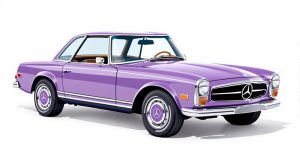
The 1960s are often remembered as one of the greatest decades for automotive design and performance. Manufacturers from Europe, America, and Japan pushed boundaries in styling, engineering, and driving dynamics, producing cars that have since become legends. Among these icons, the Mercedes 280SL stands out not only for its elegance but also for its unique balance of practicality and performance. When looking at the design of the Mercedes 280SL compared to classic sports cars of the same era, it becomes clear why this model has become one of the most desirable vintage vehicles today.
The 1960s Sports Car Scene
The decade brought us icons such as:
Jaguar E-Type – breathtaking design with strong performance.
Porsche 911 – a nimble rear-engine car that defined an era.
Chevrolet Corvette Sting Ray – raw American power with striking looks.
Alfa Romeo Spider – charming Italian roadster with flair.
Ferrari 275 GTB – exotic and exclusive with high performance.
Sports cars in this era were as much about style and emotion as they were about numbers. The Mercedes 280SL, introduced in 1967, entered this competitive environment with its own unique approach. When taking a look at the Mercedes 280SL compared to classic sports cars of same era, it is apparent that the design remained timeless as many tried to duplicate it.
Performance and Engineering
When examining the Mercedes 280SL compared to classic sports cars like the E-Type or Corvette, the numbers show differences:
Mercedes 280SL – 2.8L inline-six, ~170 hp, fuel injection, top speed over 120 mph.
Corvette Sting Ray – V8 engines with over 300 hp, blistering acceleration.
Jaguar E-Type – higher horsepower than the SL, with 150+ mph top speed potential.
Mercedes wasn’t aiming for outright speed. Instead, the 280SL emphasized:
Smooth, balanced power delivery.
Reliability from its advanced fuel-injection system.
Everyday usability, unlike many of its rivals.
Driving Dynamics
The Mercedes 280SL compared to classic sports cars provided a driving experience that was both refined and capable:
Porsche 911 – agile but prone to tricky handling due to rear-engine layout.
Corvette – thrilling straight-line speed but less precision in corners.
280SL – independent rear suspension, disc brakes all around, and responsive steering.
The result? A car that was composed, predictable, and enjoyable on long drives without being fatiguing.
Design and Styling
Beauty in the 1960s came in many forms:
Jaguar E-Type – flowing, sensual lines.
Ferrari 275 GTB – Italian curves and exotic presence.
Mercedes 280SL – clean lines, upright 280sl grille, and the famous Pagoda roof.
The 280SL didn’t try to outshine rivals with flamboyance. Instead, it offered:
Understated elegance.
A timeless design that still feels modern today.
Precision and sophistication aligned with Mercedes’ philosophy.
Comfort and Practicality
Where the Mercedes 280SL compared to classic sports cars truly shines is in usability. Many 1960s sports cars were cramped and impractical, but the 280SL offered:
A comfortable, spacious cabin.
Options like air conditioning, automatic transmission, and power steering.
Versatility with the removable Pagoda hardtop for year-round driving.
It was not just a weekend toy—it was a car owners could rely on daily or for long trips.
Reliability and Ownership
Reliability often separated the 280SL from its rivals:
Jaguar & Ferrari – notorious for electrical and mechanical issues.
Porsche 911 – reliable but required careful upkeep.
Mercedes 280SL – durable, dependable, and backed by a strong global dealer network.
The 280SL provided peace of mind, making ownership less stressful than many other exotics. One reason is the fact that Mercedes 280sl parts are still very much available.
Market Position and Buyers
The Mercedes 280SL compared to classic sports cars also appealed to a different buyer:
Corvette buyers – thrill seekers and performance enthusiasts.
Ferrari buyers – ultra-wealthy drivers chasing exclusivity.
Mercedes 280SL buyers – professionals, celebrities, diplomats, and executives who valued refinement and prestige.
The SL’s higher price point reflected its superior build quality, comfort, and reputation.
Cultural Impact and Popularity
Another interesting angle when looking at the Mercedes 280SL compared to classic sports cars is the cultural influence these vehicles had during the 1960s and beyond. Cars often reflect the lifestyle and aspirations of their time, and the 280SL captured an image of success, sophistication, and modern living.
Mercedes 280SL – Frequently seen in movies, on the streets of European capitals, and driven by celebrities. It symbolized elegance without being ostentatious, appealing to a cosmopolitan crowd.
Jaguar E-Type – Considered the “poster car” of the decade, embodying sex appeal and raw British style.
Chevrolet Corvette – Represented American muscle and freedom, tied closely to the spirit of the open road.
Porsche 911 – Cultivated a reputation as the enthusiast’s car, appreciated by purists who valued engineering precision.
Ferrari 275 GTB – The ultimate status symbol, linked with exclusivity and wealth.
What makes the Mercedes 280SL unique compared to these classic sports cars is its ability to bridge worlds. It wasn’t just a status symbol, nor was it a pure performance machine. Instead, it became a cultural icon of refinement, one that appealed equally to practical buyers and those who wanted to make a stylish statement.
Today, this broad appeal contributes to its enduring legacy. While some 1960s sports cars are admired mainly by purists or collectors with deep pockets, the 280SL continues to resonate with a wider audience—both enthusiasts and casual admirers alike.
Legacy and Collectability
Today, the Mercedes 280SL is cherished by enthusiasts and collectors alike. Its strengths include:
Timeless, elegant styling.
Reliable engineering pedigree.
Everyday usability compared to fragile rivals.
Rising values in the classic car market.
When looking at the Mercedes 280SL compared to classic sports cars today, its versatility makes it attractive to a wide audience: purists, style-driven collectors, and investors alike.
Conclusion
The 1960s gave us some of the most iconic cars in history. When examining the Mercedes 280SL compared to classic sports cars of that era, Mercedes took a different path. It wasn’t the fastest or most exotic, but it offered something unique:
Balance between performance and comfort.
Reliable engineering.
A sophisticated ownership experience.
That combination has secured its legacy as one of the most beloved and enduring cars of the 1960s. When taking a look at the Mercedes 280SL compared to classic sports cars of the same time, its obvious that this car has stood the test of time and is still very much sought after.