
Mercedes 280SL Purchase Paperwork: What Should Come with It?
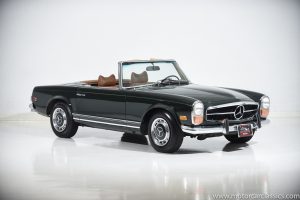
Buying a classic Mercedes 280SL is more than just an emotional decision—it’s an investment in craftsmanship, design, and history. The “Pagoda,” as it’s affectionately called, is one of the most admired models from Mercedes-Benz’s golden era. But before you hand over your hard-earned money, one of the most critical things to verify is the paperwork.
The Mercedes 280SL purchase paperwork can make or break the value, authenticity, and legal ownership of your car. Many collectors and first-time buyers overlook documentation, focusing only on the car’s mechanical or cosmetic condition. However, missing or incorrect paperwork can cause costly problems later—especially if you ever plan to resell, register, or restore the vehicle.
This guide walks you through every document that should come with a 280SL, what to look out for, and why proper paperwork is just as valuable as a pristine chrome bumper.
Why the Mercedes 280SL Purchase Paperwork Matters
Before diving into the specific documents, it’s worth understanding why paperwork is so vital in the world of vintage Mercedes vehicles.
Here’s why having complete Mercedes 280SL purchase paperwork is essential:
Proof of authenticity: It verifies the car’s originality, production year, and specifications.
Establishes legal ownership: Ensures there are no liens, disputes, or stolen-vehicle risks.
Affects resale value: Cars with complete documentation often command 10–20% higher prices.
Supports restoration accuracy: The paperwork helps restorers source period-correct parts.
Builds collector trust: A well-documented history gives future buyers peace of mind.
In short, the car’s paper trail is its DNA. A complete set of records tells the story of the vehicle from the day it left the factory to the moment it arrives in your garage.
The Essential Mercedes 280SL Purchase Paperwork Checklist
Let’s go through each piece of documentation you should expect when purchasing a Mercedes 280SL.
1. Vehicle Title (or Registration Certificate)
The first and most important document is the title. This proves ownership and must match the vehicle identification number (VIN) on the car.
Check the following carefully:
The VIN on the title matches the VIN stamped on the chassis and the data plate in the engine bay.
The owner’s name on the title matches the seller’s identity.
There are no liens or salvage titles.
The title is transferable and legally valid in your state or country.
If the car comes from abroad, ensure that the export paperwork and customs clearance are properly documented.
2. Bill of Sale
The Bill of Sale acts as your legal proof of purchase. It’s a simple document but a vital part of your Mercedes 280SL purchase paperwork.
It should include:
Date of sale
Buyer and seller information
Purchase price
Vehicle details (VIN, mileage, color, year)
Signatures of both parties
If the sale includes spare parts or restoration materials, list them explicitly to avoid disputes later.
3. Factory Build Sheet (Data Card)
Every Mercedes 280SL left the factory with a unique build sheet, often called a “Datenkarte.” This document lists all the vehicle’s original details—paint color, upholstery, options, and engine number.
Collectors prize this record because it confirms that a car still has its matching numbers, meaning the engine, transmission, and chassis are all original to that car.
If the original card is missing, you can request a copy from the Mercedes-Benz Classic Center. They maintain an archive of historical data cards for most vehicles from this era.
4. Original Owner’s Manual and Service Booklet
A surprising number of vintage Mercedes cars still have their owner’s manuals tucked away in the glovebox. These booklets offer more than just operating instructions—they help establish authenticity and continuity.
The service booklet is particularly valuable because it often includes:
https://vintageeuroparts.com/product-category/vep-mercedes-chassis-number-w113/Stamps from authorized Mercedes dealerships
Service intervals and recorded mileages
Maintenance history over time listing all 280sl parts that were replaced or upgraded
Together, these items give you confidence that the car was properly cared for and can add substantial value to your Mercedes 280SL purchase paperwork package.
5. Maintenance and Restoration Receipts
Documentation of maintenance and restoration work is often the most extensive part of a vehicle’s paper trail. Look for:
Receipts from reputable shops—especially those specializing in classic Mercedes models
Parts invoices, showing genuine or OEM components were used
Photographs documenting before-and-after restoration stages
These details serve as a transparent record of the vehicle’s condition and investment history. A well-maintained file of receipts can make the difference between a smooth sale and a skeptical buyer years down the road.
6. Previous Registration Records
If the car has changed hands multiple times, previous registration records can help you trace its ownership lineage. This is particularly useful when verifying low-mileage claims or confirming that the car hasn’t been reported stolen.
When reviewing older Mercedes 280SL purchase paperwork, note the following:
The timeline of ownership transitions
States or countries where it was registered
Consistency of mileage readings
Evidence that the car remained active and insured over time
The more complete this chain of ownership, the more confidence you can have in your purchase.
7. Import and Customs Documents (for International Purchases)
If you’re buying an imported 280SL—especially from Europe, Japan, or the Middle East—import documentation is essential.
You should receive:
Customs clearance paperwork
Bill of lading or shipping manifest
EPA/DOT compliance documents (if imported to the U.S.)
Import tax receipts
Incomplete or missing import documents can make registration difficult or even impossible in some regions. Always confirm that all taxes and duties were properly paid and recorded.
8. Appraisal and Insurance Records
Professional appraisals provide an unbiased opinion of the car’s condition and market value. If the seller includes an appraisal report, that’s a strong sign of transparency.
Check for:
The appraiser’s credentials and date of assessment
Photos included with the appraisal
Clear grading of the vehicle’s condition (Excellent, Good, Fair, etc.)
Insurance records can also help verify ownership continuity and protection level throughout the car’s life.
9. Emissions and Safety Inspection Certificates
Depending on where the car was registered, it may have periodic inspection records. These can serve as indirect evidence of proper maintenance.
Look for inspection forms that match the VIN and provide the mileage at each check. Even though the 280SL is often exempt from modern emissions standards, historical inspection data helps confirm regular road use and care.
10. Spare Keys, Tool Kit, and Accessories List
While not technically “paperwork,” these physical items contribute to a complete purchase package. Mercedes included various accessories with the 280SL, such as:
Original tool roll
Spare tire and jack
Becker radio manuals
Soft-top operating instructions
Including these items in your Mercedes 280SL purchase paperwork makes your car more desirable and collectible.
Verifying Authenticity and Avoiding Fraud
Classic car markets occasionally attract sellers who falsify documents or hide the vehicle’s true history. Before finalizing your purchase, take a few steps to verify authenticity.
Steps to Ensure Authenticity:
Cross-check the VIN on all documents with the chassis and engine numbers using an online VIN Lookup
Review photocopies carefully for signs of tampering or retyping.
Contact the Mercedes-Benz Classic Center to confirm the data card matches your vehicle.
Compare service stamps in the maintenance booklet with known dealership locations.
Request a Carfax or similar report (for U.S.-based cars manufactured after 1981; earlier cars may require manual record checks).
By being thorough, you protect yourself from potential scams and ensure that your Mercedes 280SL purchase paperwork stands up to scrutiny.
Additional Documents That Add Value
Beyond the essentials, a few extra items can elevate your car’s provenance and collector appeal.
Original sales invoice: Proves the car’s first delivery price and dealer location.
Dealer correspondence: Letters or service notices from the original dealer.
Period photographs: Show the car’s history, events, or restorations.
Club membership records: If the car belonged to a Mercedes-Benz Club member, it often indicates a well-maintained example.
Concours or award certificates: Evidence of participation in judged events adds prestige and historical value.
Each piece of documentation reinforces the car’s story and authenticity—factors collectors look for when evaluating investment potential.
What If the Paperwork Is Incomplete?
Not every classic Mercedes comes with a perfect file of records. Sometimes paperwork is lost, damaged, or scattered between owners. Don’t panic—but do proceed carefully.
Here’s how to handle missing Mercedes 280SL purchase paperwork:
Request duplicates from prior owners, repair shops, or state agencies.
Obtain a replacement data card from Mercedes-Benz Classic Center.
Rebuild service history through invoices, photos, and inspection records.
Hire a professional appraiser to document the car’s current condition for insurance and resale.
Maintain meticulous records going forward. Even if you start with limited paperwork, you can create a comprehensive file over time.
Remember, the more transparent you are about what’s missing, the easier it will be to reassure future buyers.
How Paperwork Affects Future Value
Classic Mercedes values often hinge on originality, mileage, and documentation. A car with full Mercedes 280SL purchase paperwork can sell for significantly more than an identical model with gaps in its history.
Buyers are willing to pay premiums because:
Documented cars are easier to insure.
Proven authenticity reduces restoration risks.
The story behind the car adds emotional and historical appeal.
Think of paperwork as an investment multiplier. Every receipt, manual, or registration slip strengthens your vehicle’s provenance and marketability.
Tips for Organizing and Preserving Your Paperwork
Once you acquire your 280SL, treat the paperwork with as much care as the car itself.
Use these tips to maintain your documentation:
Store originals in acid-free sleeves to prevent fading.
Keep digital backups scanned in high resolution.
Organize documents chronologically for easy reference.
Label folders (Title, Service, Restoration, Import, etc.).
Bring copies—not originals—to shows or buyers.
A well-organized documentation binder not only impresses potential buyers but also makes maintenance and insurance claims far easier to manage.
Where to Find Help Authenticating Documents
If you’re uncertain about the legitimacy of any Mercedes 280SL purchase paperwork, seek help from reputable sources:
Mercedes-Benz Classic Center USA (Irvine, California) – provides factory data cards and restoration support.
Mercedes-Benz Club of America – offers access to experts and historical records.
Classic car appraisers with Mercedes-Benz experience.
Forums and communities such as SL113.org – enthusiasts often share data and verification tips.
You can also cross-reference parts and VIN data with reputable vendors like Vintage Euro Parts, which supplies authentic replacement components and restoration guidance for classic Mercedes models.
Final Thoughts
Owning a Mercedes 280SL is about preserving a piece of automotive artistry—and the paperwork is the backbone of that legacy. The right documentation safeguards your investment, maintains authenticity, and ensures peace of mind for years to come.
When you evaluate Mercedes 280SL purchase paperwork, think beyond simple ownership proof. Each document tells part of the car’s journey—from its first delivery to every mile and restoration thereafter. Whether you’re a seasoned collector or a first-time classic car buyer, paying attention to paperwork will always pay dividends.