
How to Upgrade the Suspension on a Mercedes 190SL Without Losing Authenticity
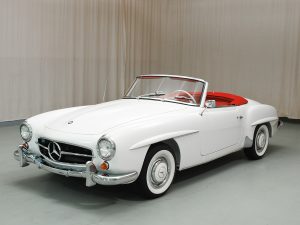
The Mercedes-Benz 190SL remains one of the most beloved roadsters of the 1950s and early 1960s. Known for its timeless styling, refined handling, and smooth performance, it represents an era when driving was as much about elegance as it was about engineering. However, as decades pass, many 190SL owners face a familiar challenge: how to improve drivability, comfort, and safety without compromising originality.
If you want to upgrade the suspension on a Mercedes 190SL but still keep it authentic, there’s good news — it’s entirely possible. The key is to focus on subtle, reversible enhancements that improve the car’s ride quality while preserving its classic character. This way, the value of the 190SL will hold better over time. In this guide, we’ll explore how to modernize suspension components intelligently, maintain authenticity, and ensure your upgrades enhance both performance and value.
The Original Mercedes 190SL Suspension: A Brief Overview
Before making any modifications, it’s important to understand what made the original system so advanced for its time. The 190SL’s suspension design was directly influenced by Mercedes-Benz’s engineering philosophy of comfort blended with sportiness.
Factory setup included:
Front suspension: Independent double wishbones with coil springs, stabilizer bar, and telescopic shock absorbers.
Rear suspension: Swing axle design with a single transverse compensating spring.
Bushings and mounts: Rubber components that reduced vibration and noise.
Ride height: Balanced for both luxury cruising and light performance driving.
This configuration provided a smooth and predictable ride but also had limitations — particularly in body roll, high-speed stability, and steering response. As road surfaces and driving expectations have evolved, even well-maintained examples can feel dated compared to modern standards.
Why Upgrade the Suspension on a Mercedes 190SL?
Owners who decide to upgrade often have a few specific goals in mind. Whether you drive your SL weekly or save it for shows and weekend runs, suspension upgrades can dramatically change how the car feels on the road.
Common reasons to upgrade include:
Enhanced comfort: Old components can lose elasticity, creating a harsh ride.
Improved safety: Modern shock technology improves braking stability and control.
Reduced wear: New materials minimize stress on the chassis and tires.
Authenticity preservation: Carefully chosen upgrades can improve performance without altering the car’s original look.
Upgrading doesn’t mean transforming your 190SL into a track car — it’s about optimizing what’s already there.
Step 1: Establish Clear Goals
Before you begin, determine your main priorities. Are you looking for a smoother ride, improved cornering, or simply to refresh aging parts? Setting your goals will help you choose the right components and avoid unnecessary changes.
Possible goals to consider:
Maintain original geometry but use modern materials for reliability.
Keep a stock appearance while improving stability.
Enhance driver confidence on modern roads.
Ensure upgrades are reversible for future collectors.
Defining these goals upfront ensures your upgrades enhance the experience without changing the essence of the 190SL.
Step 2: Understanding Modern Shock Absorber Options
One of the most effective ways to upgrade the suspension on a Mercedes 190SL is to replace the outdated shock absorbers with modern equivalents. The original telescopic shocks were excellent in the 1950s, but modern engineering offers far superior damping control.
Popular options include:
Bilstein Classic B6 Shocks: These maintain a vintage feel but improve stability and handling, offering better control without harshness.
Koni Classic Adjustable Shocks: Ideal for owners who want to fine-tune damping response depending on driving conditions.
Boge or Sachs OEM-style replacements: Retain factory ride quality with subtle improvements in responsiveness.
Each of these options fits directly into the original mounting points, requiring no cutting or welding. They provide an immediate improvement in road feel while keeping the visual authenticity intact.
Step 3: Replace Aged Bushings and Mounts
Even if you’re keeping the suspension design stock, replacing the bushings and mounts can drastically improve performance. Over the decades, rubber components degrade, causing excess play in suspension joints.
Recommended approach:
Use OEM-style rubber bushings to preserve the original comfort level and appearance.
For sharper response, polyurethane bushings are available, though they add firmness.
Replace subframe mounts and sway bar bushings at the same time for a consistent feel.
The result is tighter steering, reduced vibrations, and improved alignment retention — all while maintaining authenticity.
Step 4: Refresh or Upgrade Coil Springs
The coil springs on the 190SL were tuned for a balance between comfort and control. Over time, they can sag or weaken, affecting both ride height and alignment.
Options to consider:
Factory-rate reproduction springs: Maintain the original stance and feel.
Progressive-rate springs: Offer improved ride quality and handling during cornering.
Powder-coated reproductions: Add longevity while preserving the original look.
Avoid lowering springs unless you have a specific goal in mind, as they can disrupt the delicate balance of the rear swing axle and change the vehicle’s geometry.
Step 5: Improving the Rear Swing Axle
The 190sl swing axle is one of the most distinctive features of the 190SL, but it can cause camber changes during hard cornering. This issue can be managed with subtle modifications that respect the original design.
Recommended upgrades:
Modern compensating spring: Helps reduce camber changes and improve stability.
High-quality bushings at pivot points: Ensure proper alignment and smooth motion.
Updated anti-roll bar kits: Specifically designed for vintage Mercedes models.
These changes maintain the signature feel of the 190SL while reducing the “tuck-in” effect common to swing-axle suspensions.
Step 6: Choosing the Right Tires and Wheels
While not technically part of the suspension, tire selection has a massive impact on handling and comfort. Period-correct tires look authentic, but modern compounds offer better grip, reduced road noise, and improved safety.
Best practices:
Select 190sl radial tires in the correct vintage size, such as 185/70R13 or the factory-specified equivalent.
Choose Michelin XAS or Vredestein Sprint Classic for an authentic look with modern performance.
Keep original steel wheels or hubcaps for a factory appearance.
By combining classic styling with modern rubber technology, you maintain the car’s authenticity while improving overall ride quality.
Step 7: Alignment and Geometry Adjustments
After making upgrades, proper alignment is essential. The Mercedes 190SL’s suspension geometry is unique and must be adjusted precisely to achieve optimal handling.
Alignment tips:
Camber: Maintain a slightly negative camber in front for stability.
Caster: Keep factory settings to preserve the original steering weight.
Toe: Ensure correct toe-in to prevent instability at high speeds.
A shop experienced with vintage Mercedes models will understand these nuances. Proper alignment ensures your upgrades deliver their full benefit without altering the classic driving feel.
Step 8: Maintain Original Appearance and Components
When you upgrade the suspension on a Mercedes 190SL, it’s important to make sure the car still looks period-correct. The suspension isn’t typically visible unless the car is on a lift, but attention to detail still matters for originality and resale value.
To preserve authenticity:
Keep original shocks, springs, and hardware for documentation or future restoration.
Use black or silver finishes on replacement components rather than bright colors.
Stick to OEM-style fittings and fasteners wherever possible.
Avoid modern coil-over conversions unless you’re building a restomod.
These subtle steps ensure your upgrades remain reversible and don’t detract from the car’s collectible nature.
Step 9: Consider a Subtle Steering Upgrade
Though not strictly part of the suspension, steering components work in harmony with it. Original steering boxes often develop play over time, which can affect how your upgraded suspension feels.
Solutions include:
Rebuilding the original steering box using high-quality bearings and seals.
Replacing tie rods and idler arms with OEM-style components.
Checking steering column couplings for wear or cracking.
Tightening up the steering system enhances the benefits of your suspension upgrades, giving the car a crisp and confident road feel.
Step 10: Professional Installation and Testing
Even if you’re an experienced DIY restorer, suspension work on a classic Mercedes requires precision. Small errors in geometry or torque specs can lead to unpredictable handling.
Best practices for installation:
Have a specialist shop with experience in vintage Mercedes-Benz models perform the work.
Request factory torque specs and ride height adjustments.
After installation, take the car for a shakedown drive and check for noises, vibration, or uneven tire wear.
Testing your car after each modification ensures each component functions as intended without upsetting the car’s balance.
Step 11: Balancing Authenticity and Modern Engineering
The goal of upgrading the 190SL’s suspension is to improve reliability and enjoyment while preserving heritage. You can achieve this balance by making choices that blend modern efficiency with classic style.
Key points to keep in mind:
Avoid unnecessary modifications that change the visual or structural integrity.
Focus on reversible improvements that respect the original engineering.
Document every change for historical records.
Choose suppliers that specialize in classic Mercedes parts.
By taking this careful approach, you’ll create a suspension setup that feels refined and true to its origins.
Step 12: Trusted Sources for Parts
Sourcing quality parts is critical. Many suppliers offer reproduction parts, but not all meet OEM specifications. Always choose trusted vendors that specialize in vintage Mercedes components.
Recommended sources:
Vintage Euro Parts – Specializes in authentic and reproduction parts for Mercedes classics.
Authentic Classics – Offers suspension kits, bushings, and OEM-style hardware.
Koni Classic Line – Adjustable shocks tailored for vintage applications.
SLS Hamburg – A reliable European source for period-correct Mercedes components.
By using suppliers who understand the heritage of the 190SL, you’ll ensure your upgrades maintain both function and authenticity.
Step 13: Preserving Value and Documentation
Collectors value originality, but they also appreciate tasteful, reversible upgrades that improve safety and drivability. To keep your car’s value high, make sure you maintain thorough documentation.
What to document:
Photos of every part replaced.
Receipts and manufacturer information.
Notes on alignment settings and torque values.
Storage of all original components for potential future restoration.
When potential buyers see that the modifications were made carefully and respectfully, it adds credibility and value to your 190SL.
Step 14: Enjoying the Drive
Once you complete the process to upgrade the suspension on a Mercedes 190SL, the results are immediately noticeable. You’ll experience:
Sharper steering feedback.
Reduced body roll in corners.
Smoother response over bumps.
Improved braking stability.
Best of all, you’ll still feel the charm of the original design — that balance of comfort and elegance that made the 190SL such a joy to drive when new.
Final Thoughts
Choosing to upgrade the suspension on a Mercedes 190SL is about honoring the past while embracing modern reliability. With the right components, careful planning, and professional setup, you can enjoy a more confident, comfortable, and enjoyable driving experience without compromising authenticity.
By focusing on subtle enhancements — high-quality shocks, bushings, springs, and proper alignment — you’ll transform your 190SL into a car that feels timeless on the road. It remains unmistakably classic, but better suited for today’s driving conditions.
Every curve, every bump, and every long stretch of open road will remind you that while technology evolves, true craftsmanship never goes out of style.