
Mercedes 280SL vs 190SL: A Complete Comparison of Two Icons
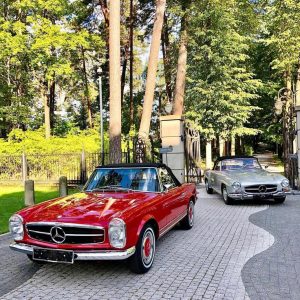
Few automotive brands have shaped the luxury-sports landscape as decisively as Mercedes-Benz, and among its most recognizable classics are two icons: the elegant 190SL of the 1950s and the sophisticated 280SL of the late 1960s and early 1970s. While collectors, restorers, and enthusiasts naturally compare the Mercedes 280SL vs 190SL, the truth is that each car represents a distinct era, design philosophy, and driving experience. Understanding these differences is essential whether you are considering an investment, evaluating restoration prospects, or simply appreciating the engineering evolution between these two beloved roadsters.
In this comprehensive guide, we will explore all major aspects of the Mercedes 280SL vs 190SL comparison, including their design differences, engineering advancements, driving characteristics, ownership considerations, market values, and long-term collectibility. By the end, you’ll have a clear understanding of what makes each model special—and which one may suit your needs best.
A Tale of Two Eras
The 190SL: Post-War Elegance and Accessibility
The 190SL debuted in 1955 as a more affordable companion to the legendary 300SL Gullwing. Built on a modified W121 sedan platform, it delivered graceful styling, open-air driving, and refined cruising rather than outright performance. For many enthusiasts, the 190SL embodies the optimistic, stylish post-war era—a time when Mercedes was rebuilding its identity and expanding its global luxury appeal.
The 280SL: The Mature Sophistication of the Pagoda
In contrast, the 280SL arrived 12 years later in 1967 as the final evolution of the W113 “Pagoda” line. By then, Mercedes engineering had progressed dramatically. The car featured a fuel-injected 2.8L inline-six, four-wheel disc brakes, optional automatic transmission, and a body designed with safety innovations far ahead of its time. When evaluating the Mercedes 280SL vs 190SL from a technological standpoint, the gap between the two is unmistakable.
Design Comparison: Graceful Curves vs Modern Proportions
Exterior Design
190SL Styling
Smooth, rounded body reminiscent of 1950s aerodynamics
Classic chrome touches and delicate trim work
Smaller dimensions, giving it a quaint and romantic presence
Removable hardtop with iconic Gullwing-inspired roofline contours
280SL Styling
Crisper lines and more modern proportions
The distinct concave “Pagoda” hardtop designed for rigidity
Larger, more assertive stance
Functional chrome accents with a cleaner, more restrained style
When studying the Mercedes 280SL vs 190SL from a design perspective, the most immediate difference is that the 190SL leans toward the artistic styling of the 1950s, whereas the 280SL ushers Mercedes into a more modern, structured appearance.
Interior Differences: Simplicity vs Luxury
190SL Interior
Simple dashboard with minimal instrumentation
Slimmer seats that prioritize elegance over long-distance comfort
Limited storage and amenities
A charming vintage feel that appeals to purists
280SL Interior
Larger, more supportive seats suitable for touring
Air-conditioning became available (rare on 190SL)
Better ergonomics and driver position
More advanced controls and instrumentation
Between the Mercedes 280SL vs 190SL, the 280SL clearly wins in comfort, technology, and user-friendliness, making it more enjoyable for frequent driving.
Performance and Engineering: The Biggest Difference
Engine and Powertrain
190SL Specs
1.9-liter inline-four (M121)
104 horsepower
Twin Solex carburetors
4-speed manual transmission
Driving Character
Smooth and charming, but not particularly quick
Best suited for cruising at moderate speeds
280SL Specs
2.8-liter inline-six (M130)
Approximately 180 horsepower
Bosch mechanical fuel injection
Available 4-speed, 5-speed ZF, or automatic transmission
Driving Character
Strong torque delivery
Capable acceleration
Confident, refined, and effortless at highway speeds
From a purely performance-driven viewpoint, the Mercedes 280SL vs 190SL difference is dramatic. The 280SL offers modern-feeling power, while the 190SL delivers a leisurely, vintage driving experience.
Handling and Braking: Touring Cruiser vs Sport-Touring Confidence
190SL Handling
Front double-wishbone suspension
Swing-axle rear—a design known to be delicate under aggressive maneuvers
Vintage Mercedes Drum brakes (earlier years) with optional fronts discs later
The 190SL feels charming and period-correct, but handling and braking are far behind modern expectations.
280SL Handling
Independent suspension improved for stability
Four-wheel disc brakes
Power steering availability
More predictable road manners
For anyone comparing Mercedes 280SL vs 190SL in terms of driver confidence and safety, the 280SL is leaps ahead.
Reliability and Maintenance
190SL Ownership Experience
The 190SL is known for its beautiful simplicity, but carburetion can be finicky. Solex carburetors in particular require skilled tuning. Other common issues include:
Suspension wear
Rust in floors and rocker panels
Engine rebuild costs that can be significant
280SL Ownership Experience
While more advanced, the 280SL benefits from robust engineering. The Bosch mechanical fuel injection is extremely durable when maintained properly. Common issues include:
Cold-start valve problems
Injection pump wear
Rust in fenders, rear quarters, and the trunk floor
Parts availability is excellent for both models, though 280SL mechanical components are often easier to source. When determining long-term maintainability in the Mercedes 280SL vs 190SL conversation, the 280SL is slightly more predictable, while the 190SL requires more specialized tuning expertise.
Restoration Considerations
190SL Restoration
Because the 190SL has had a massive rise in collectability, many unrestored examples are in rough condition. Restoring one properly is expensive, particularly:
Chrome work
Soft-top and hardtop refurbishment
Carburetor synchronization
Interior leather and trim
Bodywork is labor-intensive due to its rounded shapes and handcrafted construction.
280SL Restoration
The 280SL is also labor-intensive but benefits from:
Better parts supply
More standardized factory production
Fewer bespoke components
Paint, chrome, interior, and mechanical restoration are still costly, but the process is more straightforward than a 190SL restoration.
When comparing restoration costs for Mercedes 280SL vs 190SL, the 190SL is frequently the more expensive project due to its handmade nature and the rising demand for authenticity.
Driving Experience: Vintage Romance vs Modern Classic Confidence
190SL Driving Feel
Slow but graceful
Light steering and a charming road presence
Ideal for scenic drives, not aggressive touring
Appeals to those who like a “1950s time capsule” experience
280SL Driving Feel
Confident, composed, and refined
Suitable for modern traffic conditions
Strong acceleration and stable highway cruising
Appeals to enthusiasts who want both style and usability
For many buyers comparing Mercedes 280SL vs 190SL, the driving experience ends up being the deciding factor.
Market Value and Collectability
190SL Market
The 190SL has skyrocketed in value over the past decade. Prices vary widely based on condition:
Projects: still expensive
Drivers: strong demand
Concours restorations: extremely high prices
The 190SL is often viewed as a stable long-term investment due to its rarity and iconic 1950s charm.
280SL Market
The 280SL also commands high values, especially:
Low-mileage survivor cars
European-spec models
Cars retaining original paint or interiors
Because the 280SL is more usable and refined, many collectors consider it one of the best all-around classic investments.
When analyzing Mercedes 280SL vs 190SL in terms of investment potential, both models are strong but appeal to different segments of the vintage Mercedes collector market.
Which One Should You Choose?
When deciding between the Mercedes 280SL vs 190SL, it all comes down to your priorities:
Choose the 190SL if you want:
The pure 1950s Mercedes aesthetic
A collectible icon with high elegance
A relaxed vintage driving experience
A car that continues to rise in prestige
Choose the 280SL if you want:
A more advanced, enjoyable driver
Better performance and safety
A car suitable for regular use
Strong long-term investment value
Both cars are masterpieces—but masterpieces from different eras.
Final Thoughts
The debate over the Mercedes 280SL vs 190SL is not about which car is objectively better, but which one better fits the driver’s heart and lifestyle. The 190SL is classic artistry, a symbol of 1950s optimism, and a rolling sculpture with unparalleled charm. The 280SL is refined engineering, mid-century sophistication, and a benchmark of Mercedes evolution.
Each model holds a secure place in automotive history. Whether you prefer the romantic personality of the 190SL or the refined confidence of the 280SL, both represent the pinnacle of what makes classic Mercedes-Benz vehicles so treasured today.