
Mercedes 280SLs Around the World: Regional Variations and Imports
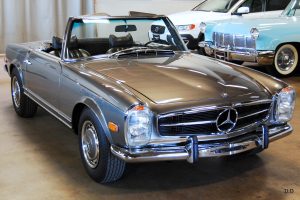
The Mercedes-Benz 280SL is one of the most internationally recognized classic cars of the post-war era. Built between 1967 and 1971 as part of the W113 “Pagoda” series, the 280SL was sold on nearly every major continent and adapted to suit local regulations, climates, and driving preferences. Today, collectors often encounter subtle but important differences depending on where a car was originally delivered.
Understanding Mercedes 280SLs around the world is essential for restorers, buyers, and enthusiasts who want to preserve originality, verify authenticity, or properly import a car from another country. From lighting and emissions equipment to drivetrain ratios and interior materials, regional variations can significantly impact both driving experience and market value.
Another facet that leads to variations is Mercedes 280sl parts. Because of this, collectors and restorers have to pay close attention to what they are purchasing to be sure it is correct for the market they plan to sell in when they are ready to sell.
This guide explores how the 280SL differed by market, why those differences existed, and what modern buyers should know when dealing with imported examples.
The Global Appeal of the Mercedes 280SL
Mercedes-Benz designed the 280SL as a true grand touring roadster—comfortable, refined, and capable of long-distance driving. Unlike many sports cars of the era, it was not built for a single market. Instead, it was engineered with adaptability in mind.
Key reasons the 280SL succeeded globally include:
Strong and reliable M130 inline-six engine
Automatic and manual transmission options
Excellent build quality and corrosion protection for the time
A balance of performance and luxury appealing to diverse buyers
Because of this, Mercedes 280SLs around the world often reflect the priorities of the markets they were sold into rather than a one-size-fits-all configuration.
North American Market Variations
The United States was the single largest market for the 280SL, and American regulations had the greatest influence on design changes.
U.S.-Specific Features
To comply with safety and emissions laws, U.S.-delivered cars included several unique components:
Larger, protruding bumper overriders (often called “park benches”)
Sealed-beam headlights instead of European glass lenses
Side marker lights integrated into front and rear fenders
Emissions equipment including air injection pumps and modified exhaust systems
These features distinguish U.S. cars immediately and are one of the most recognizable examples of how Mercedes 280SLs around the world can differ visually.
Mechanical and Driving Differences
Automatic transmissions were far more common in the U.S.
Rear axle ratios favored highway cruising over aggressive acceleration
Engines were slightly detuned to meet emissions standards
While U.S. cars are plentiful and often more affordable, some collectors prefer European-spec examples due to their cleaner aesthetics and slightly sharper performance.
European Market Specifications
European-delivered 280SLs are often considered the “purest” expression of the model, largely because they were less constrained by regulations.
Common European Features
Slim chrome bumpers with minimal overriders
Glass headlamps with replaceable bulbs
Amber rear turn signals
No side marker lights
These elements give European cars a lighter, more elegant appearance, which is why many restorations in the U.S. attempt to convert American cars back to European styling.
Performance Characteristics
Higher compression engines in some markets
Fewer emissions restrictions
Manual transmissions more commonly ordered
When discussing Mercedes 280SLs around the world, European cars often set the benchmark for originality and design intent.
United Kingdom and Right-Hand-Drive Markets
The United Kingdom, Australia, South Africa, and parts of Asia received right-hand-drive (RHD) 280SLs, which are far less common today.
Unique RHD Considerations
Different steering box and linkage components
Modified dashboard layout
Unique pedal assemblies and firewall configurations
Because RHD parts are scarcer, restoration costs can be higher. However, rarity often makes these cars desirable in their home markets.
Lighting and Compliance Differences
UK-specific headlamp patterns
Amber indicators fitted earlier than in some European countries
Localized emissions requirements, though generally less restrictive than U.S. rules
RHD examples are a fascinating subset of Mercedes 280SLs around the world and represent a niche but passionate collector base.
Australian and South African Market Cars
Australia and South Africa received a mix of European and locally adapted specifications.
Australian Market Characteristics
Often delivered with stronger cooling systems due to climate
Manual transmissions more common than in the U.S.
European-style lighting with some local modifications
South African Assembly Influence
Some Mercedes vehicles were partially assembled locally to avoid import tariffs. While the 280SL was primarily built in Germany, documentation and compliance plates can vary.
Buyers should always verify:
Original delivery market
Matching engine and chassis numbers
Local compliance modifications performed at delivery
These details help confirm authenticity when evaluating Mercedes 280SLs around the world.
Middle East and Hot-Climate Adaptations
Cars delivered to the Middle East and other hot regions often included practical upgrades designed for extreme conditions.
Typical Hot-Climate Features
Heavy-duty radiators
Larger oil coolers
Improved ventilation options
Light-colored interiors to reduce heat absorption
While these cars are rare, they are often mechanically robust and well-suited for modern driving in warm climates.
Japanese Market Imports
Japan has long been a strong market for European classics, including the 280SL.
Why Japan Matters
Strict vehicle inspections encourage meticulous maintenance
Lower annual mileage on many classic cars
High appreciation for originality and condition
Many Japanese-market cars were imported from Europe rather than originally sold new in Japan. As a result, documentation is critical.
When assessing Mercedes 280SLs around the world, Japanese imports are often prized for their condition, even if ownership history spans multiple countries.
Factory Options vs Regional Requirements
It is important to separate factory options from true regional differences.
Common Factory Options Worldwide
Hardtop with different interior headliner colors
Air conditioning (dealer or factory installed)
Becker radios tailored to local frequencies
Leather vs MB-Tex interiors
Regional Requirements (Not Optional)
Emissions systems
Lighting regulations
Safety equipment
Bumper design
Understanding this distinction helps avoid incorrect restorations that mix incompatible parts from different markets.
Importing a Mercedes 280SL Today
Importing classic cars has become increasingly common, but it requires careful planning.
Key Import Considerations
Verify chassis and engine numbers
Confirm original delivery market
Understand local import and registration laws
Check for undocumented modifications
In the U.S., most 280SLs qualify for classic vehicle exemptions, but state-level requirements still apply.
Restoration Implications
Imported cars often require decisions about whether to:
Preserve original regional specifications
Convert to another market’s appearance
Blend features carefully while maintaining value
Collectors focused on originality often prefer to keep Mercedes 280SLs around the world configured as they were originally delivered.
How Regional Differences Affect Value
Market preferences heavily influence pricing.
General Market Trends
European-spec cars often command a premium in the U.S.
U.S. cars are more affordable and easier to source parts for
RHD cars are valuable in their home markets but less so elsewhere
Well-documented imports outperform poorly documented local cars
Originality, documentation, and correctness usually matter more than country of origin alone.
Final Thoughts
The Mercedes 280SL is not just a German classic—it is a truly global automobile shaped by the markets it served. From American safety regulations to European design purity, from right-hand-drive adaptations to hot-climate engineering, Mercedes 280SLs around the world tell a story of thoughtful engineering and international appeal. Therefore, the originality of the 280sl varies greatly depending on what nation it was produced for.
For collectors, restorers, and enthusiasts, understanding these regional variations is more than academic. It influences buying decisions, restoration accuracy, long-term value, and driving enjoyment. Whether you are preserving a U.S.-spec survivor, restoring a European original, or importing a rare market example, appreciating how the 280SL evolved globally ensures that this iconic Pagoda continues to be respected for what it truly is—a world-class classic.